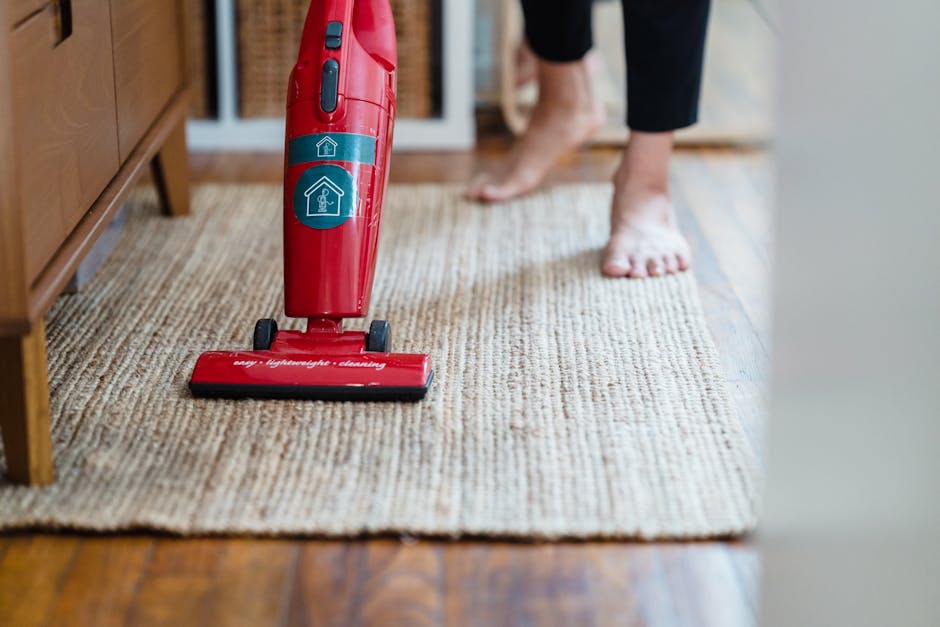
Case Study South Kensington Flat Carpet Cleaning Before After
If you are looking at a flat carpet cleaning before after example in South Kensington, you are probably trying to answer a simple question: what difference does a proper clean actually make? In a place like South Kensington, where flats can be compact, elegant, and heavily lived-in all at once, carpets tend to show every bit of daily life. A hallway gets flattened. A lounge picks up dust at the skirting line. A bedroom carpet can start to look tired long before it is worn out.
This case study-style guide breaks down what a South Kensington flat carpet clean typically involves, what you should expect to see before and after, and why the results matter beyond just making the carpet look nicer. It also covers practical decision points, common mistakes, and what to check before you book. No fluff. Just the sort of detail that helps you make a sensible choice.
Why Case Study South Kensington Flat Carpet Cleaning Before After Matters
A before-and-after carpet cleaning example is more than a visual gimmick. It helps you judge whether the service is genuinely improving the carpet or simply making it damp and temporarily brighter. That distinction matters, especially in flats where room sizes are smaller and the carpet is closer to daily traffic, footfall, food spills, pet hair, and London dust that seems to arrive whether you invite it or not.
In South Kensington, many flats have carpets that are part of the property's overall impression. Landlords, tenants, owners, and short-let hosts all benefit from knowing what a proper clean should achieve. The change is usually visible in three places: pile recovery, stain reduction, and overall colour clarity. Sometimes there is also a quieter win you only notice later, like a fresher smell or less dust lifting when you walk across the room.
Let's face it, carpet cleaning often gets judged too quickly. People look for one obvious stain to vanish. But the real value is broader. A professional clean can help the whole room feel less tired, which is often what people are reacting to when they say the space feels better afterwards. Not magical. Just properly refreshed.
If you are comparing cleaning options, it can help to look at the wider service approach too. For example, a full property refresh may combine carpet work with deep cleaning, or part of a move-related clean such as end of tenancy cleaning. The carpet is rarely the only surface telling a story.
How Case Study South Kensington Flat Carpet Cleaning Before After Works
The process is straightforward in principle, but the quality comes from the details. A carpet clean that produces a strong before-and-after result usually starts with a proper inspection. That means checking fibre type, pile condition, visible staining, wear areas, and any signs of previous DIY treatment. Wool, synthetic, and blended carpets do not all respond the same way, so a good cleaner should not treat every flat like a copy-paste job.
From there, the cleaning method is chosen. In many flats, the most common approach is hot water extraction or steam-style cleaning, although some carpets respond better to lower-moisture methods. If the carpet has heavy soil, pet odour, or stubborn marks, pre-treatment is usually applied first. This helps loosen grime before the main clean. That pre-spray stage is often where the real chemistry happens, even if it does not look dramatic.
After treatment, the carpet is cleaned section by section. Edges, corners, and traffic lanes need special attention because they collect the dull grey buildup that often makes a room feel older than it is. Then comes extraction and drying. In a flat, drying matters a lot. You do not want a freshly cleaned carpet to sit damp for hours if the space has limited ventilation, a busy household, or a landlord inspection looming at 9am the next day.
Before and after results are usually measured by a mix of visible changes and practical ones:
- the pile looks lifted instead of crushed
- stains are reduced, faded, or removed where possible
- high-traffic lanes look more even in colour
- the carpet smells cleaner and less stale
- the room feels brighter because the surface reflects light better
For some homes, carpet cleaning is part of a broader schedule. If you prefer regular upkeep rather than waiting for a big reset, a service like regular cleaning can help preserve appearance between deeper treatments. That is often the smarter route in busy households. A little maintenance goes a long way.
Key Benefits and Practical Advantages
The most obvious benefit is appearance, but it would be a mistake to stop there. A strong before-and-after result can improve how a flat presents for guests, viewings, tenancy changes, or just day-to-day living. In a South Kensington property, where presentation tends to matter a lot, that visual improvement can change the feel of the entire room.
Here are the practical advantages people usually notice:
- Better first impression: cleaner carpets make the flat feel cared for, even before furniture or decor changes.
- Reduced staining: many marks become less visible or disappear entirely, depending on age and fibre type.
- Improved hygiene: professional cleaning removes more trapped dirt than vacuuming alone.
- Odour reduction: lingering smells from pets, spills, or general use are often reduced.
- Longer carpet life: removing gritty soil can slow down wear in the pile.
- Better room brightness: a clean carpet often makes the whole space look lighter.
There is also a property-management benefit. If a flat is being prepared for sale, letting, or a change of occupant, a well-documented before-and-after result can support trust. It shows that the job was properly done and gives you a visual record of the improvement. That matters more than people realise, especially when several parts of the property are being cleaned at once.
And yes, it can make a carpet feel softer underfoot too. Not plush-catalogue soft, but noticeably less gritty and matted. Small thing? Maybe. Still matters when you are walking on it every day.
Who This Is For and When It Makes Sense
This kind of carpet cleaning case study is useful for a few different people. If you live in a flat and the carpets are starting to look dull, you want a realistic idea of what cleaning can achieve. If you are a landlord, you may be wondering whether a professional clean is enough before re-letting. If you are leaving a property, you probably want to reduce the risk of deductions or awkward handovers. Fair enough.
It makes sense to book carpet cleaning when you notice:
- traffic lanes forming in hallways or living rooms
- light stains from drinks, food, or daily wear
- pet odours or persistent smells after vacuuming
- flattened fibres that no longer bounce back
- allergy irritation that seems worse in carpeted rooms
- the flat is being prepared for viewings, a new tenancy, or a special event
It is especially useful in flats where space is tight and every surface has to do more work. A heavily used living room in South Kensington can look tired long before it is actually damaged. The right clean helps reset that, but it will not reverse every issue. Very old stains, fibre burn, or permanent dye transfer may remain visible. That honesty is important. Nobody benefits from pretending otherwise.
If your carpet is part of a broader refresh, you may also want to compare related services such as sofa cleaning or mattress cleaning. When fabrics and flooring are cleaned together, the whole flat often feels properly reset rather than half-finished.
Step-by-Step Guidance
If you are trying to understand what a good carpet-cleaning result should look like, it helps to break the job into practical steps. Nothing fancy. Just the sequence that tends to produce reliable results in real flats.
- Inspect the carpet carefully. Check for stains, fibre type, wear, and any fragile areas. A good cleaner should notice spots near thresholds, behind furniture, and along skirting boards.
- Vacuum thoroughly. Dry soil needs removing before moisture is introduced. Skipping this step can turn loose dirt into muddy residue. Not ideal, obviously.
- Pre-treat visible marks. Specific stain removers are applied where needed. Some stains respond well; others need patience and realistic expectations.
- Agitate lightly if appropriate. This helps loosen grime from the pile without damaging the fibres.
- Clean with the chosen method. Depending on the carpet, that may be hot water extraction or another suitable process.
- Extract as much moisture as possible. Good extraction reduces drying time and helps stop re-soiling.
- Check the results in daylight. A carpet can look different under room lighting. By late morning, or when natural light hits it, missed marks often become easier to spot.
- Let it dry properly. Keep airflow moving. Open windows if practical, but do not create a damp cold draught that slows everything down.
A small but useful detail: move light furniture out of the way before the clean if you can. It is easier to treat the full floor properly, and you avoid those odd untouched rectangles that make the room look patchworked afterwards. You know the ones.
Expert Tips for Better Results
There are a few things that make a noticeable difference to the before-and-after outcome. They are simple, but they separate a decent clean from a truly good one.
- Test stain treatment first. Some dyes, especially on older carpets, can react badly to harsh products.
- Do not over-wet the carpet. Too much moisture can lead to slow drying and an uneven finish.
- Focus on traffic lanes. These areas often need a little more attention than the centre of the room.
- Use the right method for the fibre. Wool and synthetic fibres behave differently. That is not a minor detail.
- Lift the pile afterwards. Brushing or grooming the carpet can improve the final appearance.
- Plan around ventilation. A flat with better airflow usually dries faster and smells fresher.
In our experience, the best results come from realistic expectations and careful preparation. If the carpet has years of embedded dirt, the transformation can be dramatic. If it has permanent wear or stain damage, the improvement may be more subtle. Both outcomes can still be worthwhile.
One thing people often forget: lighting changes everything. A carpet cleaned in a dim hallway can look fine there, then slightly different in daylight. That is not a failure. It is just the truth of textiles, light, and London flats doing their slightly stubborn thing.
Common Mistakes to Avoid
A lot of disappointing before-and-after results come from avoidable mistakes. These are the ones that show up again and again.
- Expecting every stain to vanish. Some marks are permanent, especially if they have set in or altered the fibre colour.
- Choosing only on price. Cheapest is not always best if it means poor extraction, rushed work, or no stain pre-treatment.
- Ignoring fibre type. Using the wrong method on wool, for example, can cause unnecessary risk.
- Skipping a proper vacuum. Dirt left in the pile gets in the way of the actual clean.
- Not allowing enough drying time. Walking on a damp carpet too soon can flatten fibres and attract soil again.
- Cleaning around the obvious problem only. The whole room usually needs attention for the final result to look convincing.
Another small mistake is not asking what happens if a stain does not fully lift. Good providers are usually clear about likely outcomes before they start. That kind of honesty saves stress later. Quite a lot of stress, actually.
Tools, Resources and Recommendations
You do not need a van full of gadgets to understand a professional clean, but it helps to know what is commonly used and why it matters. The right tools support better results, quicker drying, and safer treatment of different fabrics.
Common professional tools and materials include:
- high-filtration vacuum cleaners for dry soil removal
- pre-sprays designed to loosen embedded dirt
- stain treatments for food, drink, pet accidents, and oily marks
- hot water extraction machines or suitable alternative systems
- air movers or fans to speed drying where appropriate
- protective pads or furniture blocks to reduce transfer marks
If you are comparing services, it also helps to look at whether the provider explains pricing clearly. Transparent quotations reduce confusion and make it easier to understand what is included. The same goes for security and payment handling. A clear approach to payment and security can be a reassuring sign that the business is organised properly.
For many households, carpet cleaning is part of a broader property-care routine. A hallway clean may be paired with hard floor cleaning or a one-off refresh such as one-off cleaning. That kind of joined-up thinking usually gives a better overall result than tackling each surface in isolation.
Law, Compliance, Standards, or Best Practice
For carpet cleaning in a residential flat, the main practical concerns are safety, care of property, and clear communication rather than complex legal rules. That said, reputable providers should still work to sensible UK best practice. For example, they should use appropriate products for the material, handle electrical equipment safely, and avoid leaving floors dangerously wet.
If you live in a managed building, there may also be building-specific rules about access, lift use, work hours, and waste removal. In some blocks, the managing agent may expect contractors to have insurance in place. It is sensible to check this in advance rather than discovering it at the door with a machine in hand.
A trustworthy provider will usually be comfortable discussing:
- public liability and treatment of accidental damage
- safe use of cleaning chemicals and equipment
- any limitations on certain fibres or stain types
- drying guidance and re-entry timing
- how complaints are handled if something goes wrong
It is also reasonable to ask about environmental practice, especially if you are concerned about residue, waste water, or product selection. Some firms pay attention to recycling and sustainability as part of their wider operations. That does not automatically mean a better clean, but it does show thoughtfulness.
If you are ever unsure, ask questions. A good company will not mind. If anything, they should welcome it.
Options, Methods, or Comparison Table
Different carpet-cleaning methods suit different flats, fibres, and expectations. The right choice depends on soil level, drying time, and carpet construction. Here is a simple comparison to help you think it through.
| Method | Best for | Strengths | Watch-outs |
|---|---|---|---|
| Hot water extraction | Most domestic carpets with visible soiling | Strong deep-clean effect; good for traffic areas and general refresh | Requires sensible drying time; not ideal for every delicate fibre |
| Steam carpet cleaning | Carpets that need a deeper restorative clean | Often delivers a strong before-and-after transformation | Needs correct technique to avoid overwetting |
| Low-moisture cleaning | Flats where quick drying is important | Faster turnaround; less disruption | May be less effective on heavy soiling or old stains |
| Spot treatment only | Minor marks in otherwise clean carpets | Fast and targeted | Does not refresh the whole room; results can look patchy |
For many South Kensington flats, full-room cleaning is the better choice because it creates a consistent finish. Spot cleaning alone can help, but it often leaves a mismatch between treated and untreated areas. A little obvious, once you see it. Not ideal if you want the room to feel properly renewed.
If the carpet is heavily affected by pet issues, you may need a specialised approach such as pet stain odour removal. For loose rugs, a dedicated rug cleaning service can be more appropriate than treating them like fitted carpet.
Case Study or Real-World Example
Here is a realistic example based on the kind of work commonly seen in South Kensington flats. A two-bedroom flat had a living room carpet with visible walkway darkening, a small drink mark near the sofa, and general dullness around the edges. The carpet was not ruined. It just looked tired, which is often how these things present themselves.
The clean began with inspection and vacuuming. The darker traffic path received extra attention, and the drink mark was pre-treated before the main clean. The room had limited airflow, so drying was planned carefully with windows opened where practical and furniture left off the carpet for a time. There was no miracle moment, no cinematic reveal. But by the end, the pile had lifted, the colour looked more even, and the room had a cleaner, brighter feel.
The before-and-after difference showed up most clearly near the entrance and the sofa area. The carpet was still the same carpet, of course. It had just lost that greyed-in look that makes a flat feel older than it is. That can be the difference between "fine" and "actually presentable."
Expert summary: the best carpet-cleaning results are usually the ones that look natural, not overdone. You want the carpet to look refreshed, evenly cleaned, and properly dried - not shiny, soaked, or artificially scrubbed. A quiet improvement is often the strongest one.
When the flat also needed other fabrics refreshed, services like upholstery cleaning or curtain cleaning can help bring the whole room together. That is particularly useful in smaller London properties where everything sits visually close together.
Practical Checklist
Use this simple checklist before and after a carpet cleaning appointment. It keeps expectations sensible and helps the result go more smoothly.
- Identify the carpet fibre if possible
- Note any stains before the clean starts
- Move small items and fragile objects out of the room
- Vacuum thoroughly if that is not included in the service
- Ask which cleaning method will be used
- Confirm drying guidance and when it is safe to walk on the carpet
- Check whether furniture needs to be moved back later
- Inspect the finished result in good light
- Keep pets and children off the carpet until it is fully dry
- Store any before-and-after photos for your records if needed
That last point may sound a bit overcautious, but if you are a tenant, landlord, or host, a quick photo record can be useful. Not for drama. Just for clarity.
Conclusion
A strong South Kensington flat carpet cleaning before-after result is about more than a cosmetic tidy-up. It can make a room feel fresher, more open, and better cared for, while also helping carpets last longer and present better in everyday use. The best results come from the right method, proper preparation, realistic expectations, and enough drying time to finish the job properly.
If you are comparing services, pay attention to how clearly the provider explains the process, what they do with stains, and how they handle the practical side of working in a flat. That tends to tell you a lot. The good ones are calm, clear, and a bit boring in the best possible way.
Get a free quote today and see how much you can save.
When the carpet looks better, the whole flat tends to feel a little more settled. And that, truth be told, is often the bit people remember most.
Frequently Asked Questions
What should I expect from a before and after carpet cleaning in South Kensington?
You should expect a cleaner-looking pile, reduced staining where possible, better colour clarity, and a fresher feel in the room. Results depend on the carpet's age, fibre, and how long stains have been there.
Does steam carpet cleaning work well in flats?
Yes, it often does, especially for fitted carpets with general soiling and traffic marks. The key is using the right moisture level and allowing enough drying time so the flat is not left damp.
How long does carpet cleaning usually take in a flat?
It depends on the size of the flat, how many rooms are being cleaned, and how much stain treatment is needed. A small flat may take only a few hours, but drying time adds to the full turnaround.
Will all stains disappear after cleaning?
Not always. Fresh marks often respond well, but old stains, dye transfer, bleach marks, and permanent fibre damage may remain visible. A good cleaner should explain that before starting.
Is carpet cleaning worth it before moving out?
Usually, yes. In many cases, a professional clean helps the flat present better for inspection and may reduce avoidable disputes about cleanliness. It is not a guarantee, but it is often a sensible step.
How do I know if my carpet needs deep cleaning rather than spot cleaning?
If the carpet looks dull across the room, has traffic lanes, or smells stale even after vacuuming, deep cleaning is usually the better option. Spot cleaning is more suitable for isolated marks on otherwise clean carpet.
Can carpet cleaning help with pet odours?
Yes, it can help a lot, especially when the odour is caused by surface contamination or trapped residue. Stronger or older pet problems may need a more targeted treatment plan.
How long does a carpet take to dry after cleaning?
Drying time varies depending on the method used, ventilation, carpet thickness, and room temperature. Good airflow helps, but it is wise to avoid walking on the carpet until it is properly dry.
What is the best time of day to check the results?
Natural daylight is often the best way to judge the finish. In the morning or early afternoon, you will notice colour differences, remaining marks, and any uneven areas more clearly than under indoor lighting alone.
Should I move furniture before the cleaner arrives?
Yes, if you can move smaller items safely. That helps the cleaner access more of the carpet and prevents patchy results around heavy objects. For larger furniture, ask in advance so expectations are clear.
Is carpet cleaning safe for wool carpets?
It can be safe when done correctly, but wool needs careful handling and the right products. This is one of those times where method matters a lot. The wrong treatment can cause shrinkage or texture problems.
Where do I find a clear quote and what should it include?
Look for a quote that explains what is covered, how stain treatment is handled, and whether drying advice or furniture moving is included. If you want to compare options, review the provider's pricing and quotes information first so there are fewer surprises later.