Carpet Cleaning
 Upholstery Cleaning
 End Of Tenancy Cleaning
 Domestic Cleaning
 House Cleaning
 Office Cleaning


Exhibition Road Upholstery Cleaning for South Kensington Cafes
Posted on 07/05/2026
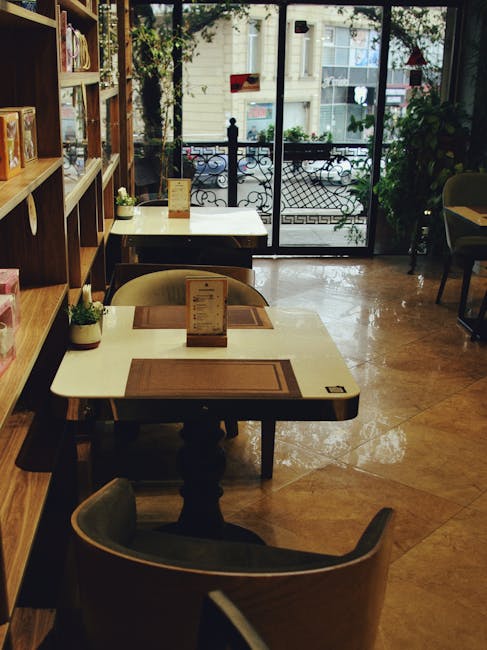
Running a cafe near Exhibition Road is a bit different from running one just anywhere in London. You've got a steady flow of students, museum visitors, commuters, families, and the occasional early-bird regular who wants the same chair every morning. That means your seating works hard. Coffee spills, crumbs, grease transfer, rain on coats, sunscreen in summer, and general day-to-day wear all build up fast. Exhibition Road Upholstery Cleaning for South Kensington Cafes is not just a nice-to-have. It is part of keeping the place looking cared for, comfortable, and worth returning to.
This guide explains what professional upholstery cleaning actually involves, when cafes should book it, how the process works, and what to watch out for. It also covers practical standards, common mistakes, and a realistic checklist you can use before choosing a service. If you want a broader view of related local cleaning services, you may also find the services overview helpful, and for seating-specific care, the main upholstery cleaning South Kensington page gives a solid starting point.

Why Exhibition Road Upholstery Cleaning for South Kensington Cafes Matters
Cafes along Exhibition Road and the wider South Kensington area tend to face heavy, uneven use. One seat might be occupied for ten minutes, another for two hours. Some customers place bags on cushions, some sit with wet umbrellas, and some are simply not as careful with a flat white as they'd like to be. Truth be told, upholstery shows the story of a cafe quickly.
Clean seating affects more than appearance. It shapes first impressions, influences how long people stay, and can even affect how fresh the room smells. A chair that looks dull or patchy can make an otherwise lovely cafe feel tired. And in a district where presentation matters, that is a problem. Visitors to South Kensington often expect a polished environment, especially near museums, galleries, and busy walking routes.
There is also a practical side. Fabric, vinyl, faux leather, and mixed upholstery all trap dust and body oils over time. If not maintained properly, stains become harder to remove, fibres start to look flattened, and odours linger. For small cafes with a handful of statement chairs, that is frustrating. For larger venues with banquettes or bench seating, it can become expensive if cleaning is delayed too long.
Helpful local context: if your business also needs periodic cleaning for back-of-house or administrative areas, it can make sense to coordinate upholstery work with office cleaning in South Kensington so the whole site feels consistent. And if you manage multiple premises, the company's customer reviews can help you judge whether the service style suits your standards.
How Exhibition Road Upholstery Cleaning for South Kensington Cafes Works
Professional upholstery cleaning is not just a case of spraying something on a seat and hoping for the best. A good process starts with identifying the material, checking the condition of the fabric, and understanding the type of soiling involved. Food spill? Body oils? Drink marks? Dust and dry debris? Each one needs a slightly different approach.
In a cafe setting, the work often begins outside opening hours or during a quiet period. That matters because seating needs to dry safely, tables may need moving, and staff shouldn't be working around wet fabric or equipment. A proper site visit usually includes a short inspection, stain spotting, and a discussion about drying times. You want clarity there. No guesswork.
Most professional cleaning methods fall into one of a few broad categories:
- Hot water extraction for durable fabric upholstery that can tolerate deeper cleaning.
- Low-moisture cleaning for faster turnaround and more delicate pieces.
- Targeted stain treatment for specific marks such as coffee, syrup, or food dye.
- Fabric-safe deodorising where odour control is part of the job.
The best method depends on the material and the cafe's operational schedule. For example, a busy brunch cafe might need a faster dry time than a lounge-style coffee spot that closes earlier in the evening. In our experience, the most overlooked part is drying. People focus on stain removal, but a seat that stays damp into service time creates disruption. Nobody wants that smell either. Slightly musty upholstery in a small room? You notice it instantly.
For readers comparing services, the South Kensington carpet cleaning cost guide can also be useful because upholstery and carpet care are often planned together in hospitality premises.
Key Benefits and Practical Advantages
Good upholstery cleaning gives cafes a few very real advantages. Not theoretical ones. Actual, day-to-day benefits you can feel in the room.
- Better customer impression: Clean chairs and banquettes make the whole place feel more welcoming.
- Longer upholstery life: Regular maintenance slows down visible wear and helps protect your furniture investment.
- Improved odour control: Fabrics can absorb smells from food, dairy, rain, and general foot traffic.
- Less obvious staining: Routine care catches marks before they become permanent.
- More consistent brand presentation: If your cafe style is warm, refined, or premium, tired seating works against you.
- Better staff confidence: Teams generally take more pride in a room that looks well maintained.
There is a quiet commercial benefit too. People often linger longer in cafes that feel clean and well kept. They may order another tea, another pastry, maybe stay for dessert. That is not a guaranteed outcome, of course, but it is a familiar pattern. Comfortable seating matters.
Expert summary: upholstery cleaning is most effective when treated as preventative maintenance rather than emergency stain removal. Waiting until every chair looks tired usually costs more, takes longer, and gives you fewer options.
Who This Is For and When It Makes Sense
This service is relevant for more than one kind of business. It's not only for large cafes or high-end brunch spots. If upholstery appears in your customer area at all, this is worth considering.
- Independent cafes with a small number of upholstered seats that still need to look polished.
- Busy coffee shops that deal with high turnover and frequent spills.
- Cafes with banquette seating where dirt builds up in seams and corners.
- Breakfast and brunch venues where sauces, butter, and drinks are common hazards.
- Hospitality operators near Exhibition Road serving museum visitors and walk-in customers throughout the day.
- Businesses preparing for inspections, events, or re-openings after a refurbishment or seasonal refresh.
It makes sense to book cleaning when you notice dull fabric, lingering smells, visible rings, or a change in texture. You might also plan it before busy periods. For example, a cafe expecting heavier footfall during holiday weeks or exhibition openings may want to freshen seating in advance. Small detail, big impact.
And yes, if you also run related premises nearby, coordinating with domestic cleaning South Kensington or house cleaning South Kensington may not be relevant to the cafe itself, but it shows how these services can sit inside a wider property-maintenance plan for local operators or landlords.
Step-by-Step Guidance
If you have never booked professional upholstery cleaning for a cafe before, the process is simpler than it sounds. Still, a structured approach helps.
- Identify the priority areas. Focus on the seats customers actually use most. The corner booth by the window may need attention before the spare chairs at the back.
- Check the upholstery type. Fabric, suede-style material, vinyl, and leather-look finishes all react differently. If you are not sure, ask before cleaning starts.
- Note the stains and problem areas. Coffee marks, grease spots, odours, and general grime should all be flagged early.
- Arrange cleaning around trading hours. Early mornings, after closing, or quieter midweek slots often work best.
- Ask about drying time and access. This is the bit people forget. Will chairs need to be left unused for a few hours? Overnight? Be clear.
- Prepare the area. Move lightweight items, clear floor space, and make sure staff know which seating is off limits.
- Inspect results before reopening. Check corners, seams, and armrests, not just the obvious surfaces.
That simple sequence prevents a lot of chaos. It also makes it easier to compare providers because you can ask each one the same questions. Helpful, right?
Expert Tips for Better Results
Some of the best results come from little habits, not dramatic interventions. Here are a few that genuinely help.
- Vacuum before deep cleaning. Dry crumbs and dust should be removed first, especially around seams and under cushions.
- Deal with fresh spills quickly. Blot, don't rub. Rubbing drives the stain deeper and can rough up the fabric.
- Keep a seat-use rotation. If you have banquettes or favourite chairs, rotating where guests sit can help spread wear more evenly.
- Use fabric-safe protectors carefully. These can help, but only if they suit the material and are applied properly.
- Schedule maintenance before the furniture looks bad. Waiting until the room feels worn out is usually too late.
One cafe owner we spoke with informally described it best: "We stopped thinking of it as cleaning and started thinking of it as keeping the room calm." That made sense. A calm room reads as clean, even before the customer consciously notices why.
If your business also needs guidance on broader upkeep and scheduling, the local local Kensington guide is a useful read for understanding how presentation and location expectations shape customer behaviour in the area.
![A spacious indoor dining area with a row of pastel green upholstered armchairs arranged around small, round wooden tables, each decorated with a vase of white and pink flowers. The room features large windows allowing natural light, with lush green plants and foliage decorating the space, creating an inviting atmosphere. The concrete floor is clean, and the surfaces, including the tables and chairs, appear well-maintained and dust-free, reflecting the high standards of surface cleaning and hygiene associated with professional upholstery and deep cleaning services by company [COMPANY_NAME], as promoted on the page 'Exhibition Road Upholstery Cleaning for South Kensington Cafes' on carpetcleaningsouthkensington.org.uk.](/pub/blogphoto/exhibition-road-upholstery-cleaning-for-south-kensington-cafes2.jpg)
Common Mistakes to Avoid
There are a few predictable errors that cost cafes time and money. Luckily, they are easy to avoid once you know what they are.
- Using the wrong product on the fabric. Some cleaners can discolour or over-wet the material.
- Cleaning too aggressively. Heavy scrubbing can flatten fibres and spread stains.
- Ignoring odours until they become obvious. Smells often build up quietly, then suddenly the room feels off.
- Booking without asking about drying time. This is a classic mistake in hospitality settings.
- Trying to save time by cleaning all upholstery the same way. A banquette and a soft armchair are not the same thing. They just aren't.
- Forgetting to document problem fabrics. If a sofa has damage or loose stitching, point it out before work begins.
Also, be cautious with DIY spot cleaning if the stain is significant. A small test patch may seem harmless, but in practice people often make the stain bigger or set it into the fibres. A classic "well, that didn't help" moment.
Tools, Resources and Recommendations
You do not need to become a cleaning technician to manage this well, but a basic understanding of the tools involved helps you make better decisions.
| Method or Tool | Best For | Things to Watch |
|---|---|---|
| Vacuum with upholstery attachment | Routine dust and crumb removal | Avoid snagging loose stitching or trims |
| Fabric-safe pre-spray | General soil and beverage marks | Must suit the material and staining type |
| Hot water extraction | Durable fabrics with deeper soiling | Drying time is important |
| Low-moisture cleaning | Faster turnaround and more delicate fabrics | May need more frequent maintenance |
| Microfibre cloths and blotting pads | Immediate spill response | Never rub stains hard |
For businesses comparing service levels or planning a broader refresh, the pricing and quotes page is a sensible next step. If you are already managing a full premises maintenance calendar, keep an eye on the current promotions page too. Every little helps, as they say.
A couple of non-cleaning resources can matter as well. The company's insurance and safety information, plus the health and safety policy, are worth reviewing before work takes place in a live hospitality environment.
Law, Compliance, Standards, or Best Practice
For cafes, upholstery cleaning sits inside a wider responsibility to keep customer areas reasonably clean, safe, and well maintained. There is not usually a single special rule just for cafe seating, but there are sensible UK best practices that matter.
First, cleaning should not create hazards. Wet floors, trailing hoses, and blocked access routes can all become issues if work is done during business hours. Second, cleaning products should be suitable for the intended surface and used according to the product guidance. Third, if your cafe serves food, your hygiene routines should support the general standards expected in hospitality settings.
It is also wise to keep a simple record of maintenance. Nothing fancy. Just dates, areas cleaned, and any repairs or fabric damage noticed along the way. This can be useful for premises management, landlord discussions, and internal quality control. If your business uses written procedures already, upholstery care can sit alongside them without fuss.
From a practical standpoint, ask any provider about:
- risk awareness around slips and access
- product suitability for commercial upholstery
- how they protect surrounding furniture and floors
- what happens if a fabric is too fragile for deep cleaning
- how they handle complaints or follow-up concerns
That last point matters more than people think. A clear complaints procedure is a good sign of a business that takes accountability seriously. And if you want to understand the provider itself a little better, the about us page can be surprisingly useful. Small clue, but still useful.
Options, Methods, or Comparison Table
There is no single best method for every cafe. The right choice depends on fabric type, stain severity, downtime tolerance, and budget. Here is a simple comparison to make the decision easier.
| Method | Pros | Cons | Best Use |
|---|---|---|---|
| Hot water extraction | Deep cleaning, strong soil removal | Longer drying time | Durable fabric seating with heavier buildup |
| Low-moisture cleaning | Faster turnaround, less disruption | May be less intensive on deep-set soil | Busy cafes needing quick reopening |
| Spot treatment only | Quick and targeted | Does not refresh the whole seating area | Small isolated marks between full cleans |
| Preventive maintenance plan | More consistent appearance, fewer surprises | Requires planning and repeat visits | Cafes with regular footfall and visible seating |
If you are not sure which route fits your cafe, start with a short assessment rather than assuming the deepest clean is always best. Sometimes a gentler method is the smarter commercial decision. Not always, but often enough.
Case Study or Real-World Example
Imagine a small cafe close to Exhibition Road with six upholstered banquettes and a row of fabric chairs near the window. On weekdays, it sees a mix of museum visitors and office workers. By Friday afternoon, the seating looks a little flat. Not filthy, just tired. There are a few coffee rings, a faint smell of milk froth, and some darker marks where customers rest bags or coats.
The owner notices the problem not because anyone complained, but because the room stopped feeling fresh. The cafe books a clean for after closing on a midweek evening, with the work focused first on the banquettes, then the chairs closest to the entrance. Staff move light furniture out of the way, the cleaner spots a couple of stubborn marks, and the seats are left to dry overnight. By the next morning, the room looks brighter. More importantly, it feels lighter.
That kind of refresh can be enough to change the atmosphere. Customers may not say, "Ah yes, professionally cleaned upholstery," but they do notice the difference. They really do. It shows in how long they stay and how relaxed the room feels during a busy service.
For businesses with broader cleaning needs, this is often the same moment they consider combining upholstery work with end of tenancy cleaning South Kensington in a leased property context, or with regular carpet cleaning South Kensington to keep the customer area consistent from floor to seating.
Practical Checklist
Use this before booking or scheduling upholstery cleaning for a cafe near Exhibition Road.
- Confirm the upholstery material on all key seating.
- Note the most visible stains, odours, and worn areas.
- Choose a time slot that avoids customer disruption.
- Ask how long the seating will take to dry.
- Check whether the provider uses methods suitable for commercial fabrics.
- Ask how they protect surrounding floors and furniture.
- Confirm what happens if a fabric is delicate or damaged.
- Make sure staff know which areas are off limits during work.
- Inspect the finished seating before reopening fully.
- Set a reminder for the next maintenance clean before the room looks tired again.
Quick takeaway: if your seating is part of the customer experience, keeping it clean is not optional. It is part of how your cafe feels. That's the real point.
Conclusion
Exhibition Road Upholstery Cleaning for South Kensington Cafes is about more than stain removal. It is about presentation, comfort, hygiene confidence, and protecting the look of a busy hospitality space that has to perform every single day. In a neighbourhood where customers are often observant and expectations run high, your seating quietly does a lot of talking for your business.
The best results come from matching the cleaning method to the fabric, planning around trading hours, and treating upholstery care as part of routine maintenance rather than a last-minute rescue job. A small amount of regular attention goes a long way. Seriously, it does.
If you are reviewing your cleaning plan, now is a sensible time to compare options, ask a few direct questions, and choose a provider who understands commercial upholstery properly. That little bit of preparation tends to pay off in calmer mornings, cleaner rooms, and fewer awkward surprises.
Get a free quote today and see how much you can save.
And if you want a broader sense of the area your business serves, the local guide to living in Kensington and the article on buying homes in Kensington offer useful background on the kind of neighbourhood expectations that shape customer behaviour nearby.