Carpet Cleaning
 Upholstery Cleaning
 End Of Tenancy Cleaning
 Domestic Cleaning
 House Cleaning
 Office Cleaning


Kensington and Chelsea Council Waste Rules for Cleaning Disposal
Posted on 23/06/2026
Kensington and Chelsea Council Waste Rules for Cleaning Disposal: A Practical Guide for Homes, Flats and Cleaning Jobs
If you are trying to work out Kensington and Chelsea Council Waste Rules for Cleaning Disposal, you are probably dealing with a very ordinary but annoying problem: where does all the rubbish go after a clean, a clear-out, or an end-of-tenancy job? The short answer is that disposal is not just about putting bags out on the pavement and hoping for the best. In Kensington and Chelsea, the details matter. Waste type, presentation, timing, and who is responsible can all affect whether the job is compliant or ends up as a messy headache.
This guide breaks the topic down in plain English. You will get a practical overview of how local waste disposal usually works, what cleaning-related waste needs extra care, which mistakes people make most often, and how to stay on the right side of council expectations without overcomplicating things. If you live locally, manage property, or arrange cleans in SW7 and nearby streets, this is the sort of advice that saves time and, frankly, a fair bit of hassle.
Why Kensington and Chelsea Council Waste Rules for Cleaning Disposal Matters
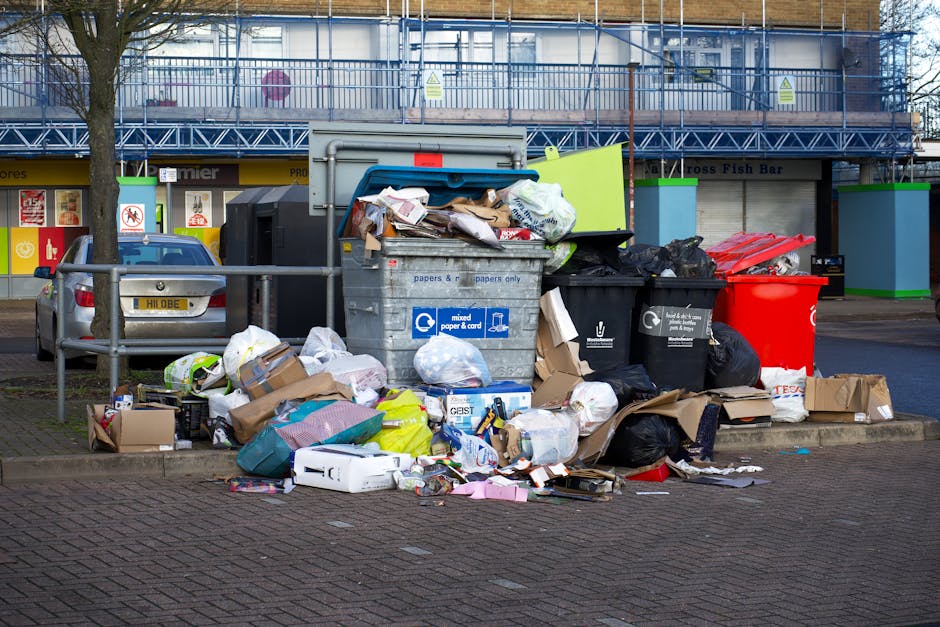
Waste disposal rules matter because cleaning work almost always creates more than one type of waste. There are black bags, glass, cardboard, packaging, old cloths, broken hangers, dust sheets, empty bottles, and sometimes items that are simply too large for regular bin collections. If you mix them all together or leave them out in the wrong way, the result can be missed collections, complaints from neighbours, and extra costs to sort things out later.
In a dense borough like Kensington and Chelsea, that matters even more. Streets are busy, pavement space is limited, and many properties have shared access, basement flats, managed buildings, or tight mews-style layouts. A bag left in the wrong place can become everyone's problem very quickly. To be fair, most people are not trying to ignore the rules. They just do not realise how specific local waste handling needs to be until they are standing beside a pile of cleaning waste at 8:15 on a weekday morning.
It also matters because cleaning disposal is often tied to other responsibilities. Landlords, tenants, homeowners, office managers, and cleaning teams all need to know who is meant to remove what. If the arrangement is unclear, waste tends to sit around. And waste sitting around is never a good look, especially in a borough where presentation counts for a lot.
For readers arranging property cleans, it is worth pairing this topic with broader local planning advice too. If you are looking at moving, buying, or investing in the area, the practical side of borough living comes up again and again; you might also find our local guides on the pros and cons of living in Kensington and buying homes in Kensington helpful for context.
How Kensington and Chelsea Council Waste Rules for Cleaning Disposal Works
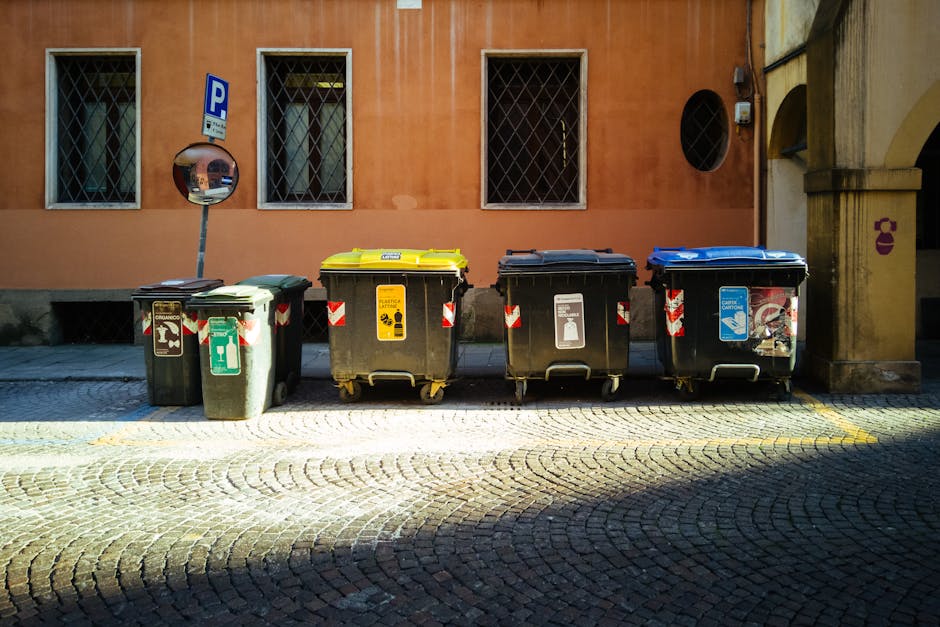
The basic idea is simple: waste must be separated, contained, and presented correctly for collection or taken to an appropriate disposal route. The detail is where people get tripped up. Different types of waste are treated differently, and cleaning jobs often produce a mix of ordinary household rubbish, recyclable materials, and occasional bulky or awkward items.
In practice, you usually need to think through four questions:
- What kind of waste is it?
- How much of it is there?
- Does it fit the normal collection rules?
- Who is responsible for removing it?
For example, a routine domestic clean might create general waste from packaging, dust, wipes, and disposable gloves. That is very different from removing a damaged mattress, old carpet offcuts, paint tins, or chemical containers. Even if the waste is all from a cleaning-related job, it does not all belong in the same bag. That sounds obvious written down, yet in real life people often discover it only after the collection has been refused.
If you are scheduling a larger property clean, end-of-tenancy refresh, or office turnover, it helps to think ahead. Our Queens Gate end of tenancy cleaning rules guide is useful if you want the cleaning side and disposal side to line up properly. For commercial settings, the expectations can look slightly different again, especially where bins are shared with other occupiers; in those cases, an office-specific approach such as office cleaning in South Kensington can make planning easier.
Another point that often gets missed: timing. Waste left out too early can cause obstruction. Waste left out too late may miss collection windows. The borough is not unique in that respect, but in a busy local environment, timing is half the battle. And yes, it can be a bit of a faff.
Key Benefits and Practical Advantages
Following the right disposal approach does more than keep you compliant. It also makes the cleaning process smoother from start to finish. You notice it most when a job is already complicated and the last thing you need is a bin-related problem on top.
- Cleaner handovers: Flats, homes, and offices look finished rather than half-done.
- Fewer collection issues: Waste is less likely to be rejected or left behind.
- Better neighbour relations: No one enjoys walking past overflowing bags in a shared entrance.
- Reduced risk of fines or complaints: Proper disposal lowers the chance of enforcement problems.
- Safer working conditions: Handling waste correctly reduces sharp, wet, or contaminated material risks.
There is also a less obvious benefit: it helps cleaning teams work more efficiently. When waste is sorted as the job progresses, the final clear-up is quicker and less stressful. You can hear the difference in a room, oddly enough. A tidy route to disposal means fewer stops, less shuffling of bags, and less of that late-stage scramble where everyone asks, "Which bin was this meant to go in?"
For properties that need a full reset, this has a knock-on effect on presentation. Clean disposal supports the wider result, whether you are refreshing a family flat, preparing a rental, or finishing a specialist job like domestic cleaning in South Kensington or end of tenancy cleaning in South Kensington. That joined-up approach is where the real value sits.
Who This Is For and When It Makes Sense
This guidance is useful for a lot of people, not just professional cleaners. In fact, the more local movement and turnover involved, the more helpful it becomes.
- Tenants clearing a property before leaving
- Landlords preparing a flat for new occupants
- Homeowners after a renovation, deep clean, or declutter
- Letting agents coordinating handovers
- Office managers dealing with refurbishment or a tidy-up after staff changes
- Professional cleaners who want waste handled properly and efficiently
It makes the most sense when a job creates mixed waste streams. A spring clean is one thing. A post-tenancy clean with broken furniture, cardboard, fabric, and leftover household items is another. Same street, very different disposal challenge.
If you are in the middle of a broader local property decision, waste rules are not the only factor. Living patterns, service access, and building layout all matter. Our article on local secrets of Kensington gives a better feel for how the area works day to day, while Kensington property investment key strategies explores why practical upkeep is such a big deal for owners.
Step-by-Step Guidance
If you want to keep cleaning disposal straightforward, use a simple process every time. Not glamorous, but it works.
- Identify all waste streams before you start. Separate general waste, recycling, bulky items, and anything potentially hazardous.
- Check what the items are made of. Mixed materials can change how they need to be disposed of.
- Bag and contain waste properly. Use strong bags and avoid overfilling them so they do not split in the hallway.
- Keep hazardous or sharp items apart. Broken glass, needles, chemicals, and contaminated cloths should never be bundled casually.
- Stage waste in a sensible place. Do not block exits, shared corridors, or access routes.
- Follow collection timing carefully. Put waste out at the appropriate time for the relevant collection arrangement.
- Arrange bulky item removal separately if needed. Do not assume everything can go with normal bags.
- Record what was removed for larger jobs. This helps with landlord handovers, office checks, and any disputes later.
A realistic example: a South Kensington flat clean after tenancy might produce food packaging, old hangers, a broken chair, and cleaning consumables. General waste can usually be bagged, but the chair is a separate issue. If you treat it like ordinary rubbish, you may end up with a collection problem and a disgruntled neighbour who has already had a long day. Nobody wants that.
For larger or more awkward clearances, a bit of extra planning around fabric items can help too. If upholstery, rugs, or soft furnishings are involved, these practical pieces may connect well with upholstery cleaning in South Kensington and our Gloucester Road rug cleaning guide, because soft furnishings often raise disposal and maintenance questions together.
Expert Tips for Better Results
After enough cleaning jobs, a few habits stand out as genuinely useful. They are not fancy, just reliable.
- Start waste sorting early. Do not leave it to the final 10 minutes when everyone is tired and the kettle has already been switched on.
- Use colour-coded bags or clearly separated piles. A simple visual system cuts down mistakes.
- Keep a "not for bin" box. Put aside keys, documents, cables, chargers, reusable items, and anything the client may want back.
- Protect shared areas. Corridors, stairwells, and entrances should stay clear and clean while waste is moved out.
- Think about odour. Food waste, damp cloths, and old cleaning materials can become unpleasant quickly, especially in warm weather.
- Confirm responsibility in advance. If you are the cleaner, the landlord, or the tenant, know who is paying for removal before the job begins.
One small but valuable tip: if you are cleaning in a block with strict access rules, plan the waste route before you open the first bag. It sounds a bit overcautious until you try carrying four heavy sacks through a narrow stairwell while someone is trying to leave the building with a pram. Then it suddenly makes perfect sense.
For businesses, consistency matters even more. A workplace clean that includes regular disposal planning tends to run smoother, and sometimes the best approach is to tie disposal into a broader maintenance routine. If that is where you are heading, our South Kensington SW7 office cleaning page and services overview may be useful as next steps.
Common Mistakes to Avoid
Most waste problems are not dramatic. They are small, ordinary mistakes that pile up. The good news is that they are easy to prevent once you know what to watch for.
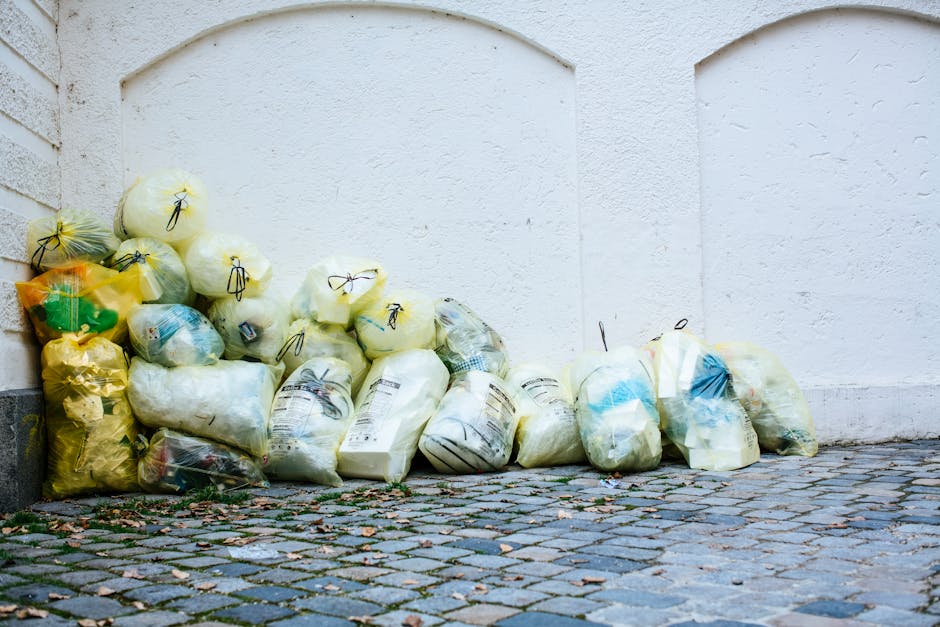
- Mixing everything into one bag. This is the classic one. It looks efficient, but it causes problems later.
- Leaving waste outside too early. That can block paths and attract complaints.
- Ignoring bulky items. Chairs, mattresses, broken shelving, and similar items often need special handling.
- Forgetting hazardous residue. Empty does not always mean safe.
- Using weak or overfilled bags. Split bags create litter and mess very quickly.
- Not checking building rules. Some blocks have their own procedures for waste storage and collection.
- Assuming the cleaner will remove everything. Unless this is agreed upfront, it is risky to assume.
There is also a commercial mistake people make a lot: not pricing disposal properly. For larger cleans, waste handling can take time, materials, and sometimes a specialist collection route. If you are trying to avoid surprises, our article on avoiding hidden carpet cleaning fees in South Kensington is relevant because the same principle applies: know what is included before the job starts.
And one more thing. If a waste pile looks harmless but smells wrong, looks damp, or contains unknown residue, treat it with caution. It is rarely worth the shortcut.
Tools, Resources and Recommendations
You do not need a huge kit to handle cleaning waste well, but a few practical tools make a noticeable difference.
- Heavy-duty bin bags for general cleaning waste
- Sorting tubs or crates for separating items during the job
- Gloves and basic protective equipment for handling sharp or dirty items
- Labels or sticky notes to mark items for reuse, recycling, or removal
- Dust sheets or sack barrow-style handling aids where larger loads are involved
- A simple checklist for end-of-tenancy or office clear-outs
For local readers, it also helps to work from a broader service plan rather than dealing with waste on the fly. A company's approach to cleaning quality, safety, and logistics tells you a lot about how well they will manage disposal. If you are comparing providers, a glance at customer reviews, pricing and quotes, and insurance and safety can help you judge who is thinking properly about the full job, not just the visible surfaces.
For many households, the simplest recommendation is still the best: keep the clean and the disposal plan linked from the beginning. That way, you are not trying to solve a waste puzzle after the property already looks finished.
Law, Compliance, Standards, or Best Practice
This is the part where people often want a neat rulebook answer, but the honest answer is a bit more nuanced. Waste duties in London are shaped by general UK waste management obligations, local collection arrangements, property rules, and safe working practice. Because of that, you should treat borough-specific guidance as operationally important and always check the current local expectations before a large disposal job.
In plain terms, best practice usually means:
- keeping waste separated where required
- presenting it in the right container or bag
- not obstructing communal areas
- handling any potentially hazardous material carefully
- using a legitimate route for bulky or specialist waste
- making sure the person responsible for the waste actually deals with it
For cleaners and property teams, this is also a safety issue. Waste handling can involve slips, cuts, manual handling strain, and contamination risks. Good practice is not just about satisfying a council expectation; it is also about protecting the people doing the work. Our health and safety policy and modern slavery statement pages show the kind of compliance mindset that should sit behind any professional service.
If you are managing a tenancy handover, a building refresh, or a business clean, it is smart to keep records of what was removed, when, and by whom. That is not bureaucracy for the sake of it. It is the sort of thing that clears up arguments later, which saves everybody time.
Options, Methods, or Comparison Table
There is more than one way to handle cleaning waste in Kensington and Chelsea. The best method depends on volume, waste type, access, and urgency.
| Method | Best for | Pros | Limitations |
|---|---|---|---|
| Normal council-style collection | Small amounts of everyday waste | Simple, familiar, low effort | Not suitable for bulky or mixed specialist waste |
| Sorted disposal after a clean | Domestic cleans, declutters, light turnover jobs | Reduces mistakes and keeps things tidy | Requires more discipline during the job |
| Dedicated bulky-item removal | Furniture, mattresses, broken fixtures | Better for awkward or oversized items | Needs planning and may carry extra cost |
| Professional clean plus waste coordination | End-of-tenancy, offices, deeper property resets | More efficient and less stressful | Works best when instructions are clear upfront |
In most real situations, the fourth option is the most practical. It combines the clean itself with sensible disposal planning, which is usually what people actually want. Clean property, no loose ends, no awkward follow-up call three days later. Nice and simple.
Case Study or Real-World Example
Imagine a rented flat near the edge of South Kensington after a tenant move-out. The property needs a deep clean before check-in. During the job, the team finds general rubbish in the kitchen, a damaged small table in the lounge, broken hangers in a wardrobe, empty cleaning containers in the bathroom, and some packaging from replacement items.
At first glance, it looks manageable. But if everything is thrown together, the bag becomes too heavy, the table is left in the hallway, and the property manager has to deal with a collection issue later. Not ideal.
A better approach is to separate the waste as the job unfolds:
- general waste in strong bags
- recyclable packaging kept apart where possible
- the damaged table tagged for bulky removal
- empty but potentially residue-bearing containers checked before disposal
- kept-to-one-side items listed for client confirmation
The result is a cleaner handover, fewer disputes, and a property that feels properly finished. The interesting bit is that the waste management step is not glamorous, but it often decides whether the whole job feels smooth or slightly chaotic. Truth be told, that last 10 percent is where reputations are made.
For landlords and agents working in the area, this kind of coordination also pairs well with our local knowledge articles like same-day carpet cleaning near South Kensington Station, especially when deadlines are tight and a property needs to be turned around quickly.
Practical Checklist
Use this checklist before you finish any cleaning job that creates waste.
- Have I separated general waste from recyclable items?
- Are any items bulky, sharp, wet, or hazardous?
- Are bags strong enough and not overfilled?
- Have I checked shared hallway or building rules?
- Do I know who is responsible for disposal?
- Are any items being kept aside for the client?
- Have I planned the waste route so I do not block access?
- Do I need a separate collection for furniture or other oversized items?
- Have I avoided leaving waste out too early?
- Would I be comfortable showing this setup to a property manager or neighbour?
If you can answer yes to most of those, you are in a good place. If not, it is worth pausing and sorting things properly. That small pause often saves a much bigger mess later.
Conclusion
Kensington and Chelsea Council waste rules for cleaning disposal are really about one thing: keeping waste manageable, safe, and properly handled in a busy part of London where space is limited and standards are high. Once you strip away the jargon, the process is straightforward. Sort it, bag it, time it well, and know what needs a separate route.
For homes, that means a tidier finish and fewer collection surprises. For landlords and agents, it means smoother handovers. For cleaners, it means safer work and fewer awkward follow-ups. And for everyone involved, it usually means less stress, which is never a bad outcome. A clean property should feel calm at the end, not like the first chapter of another problem.
If you are preparing a property clean, turn this guidance into your standard routine and you will save yourself a lot of fiddly issues. Small systems do big work. Always have.
Get a free quote today and see how much you can save.